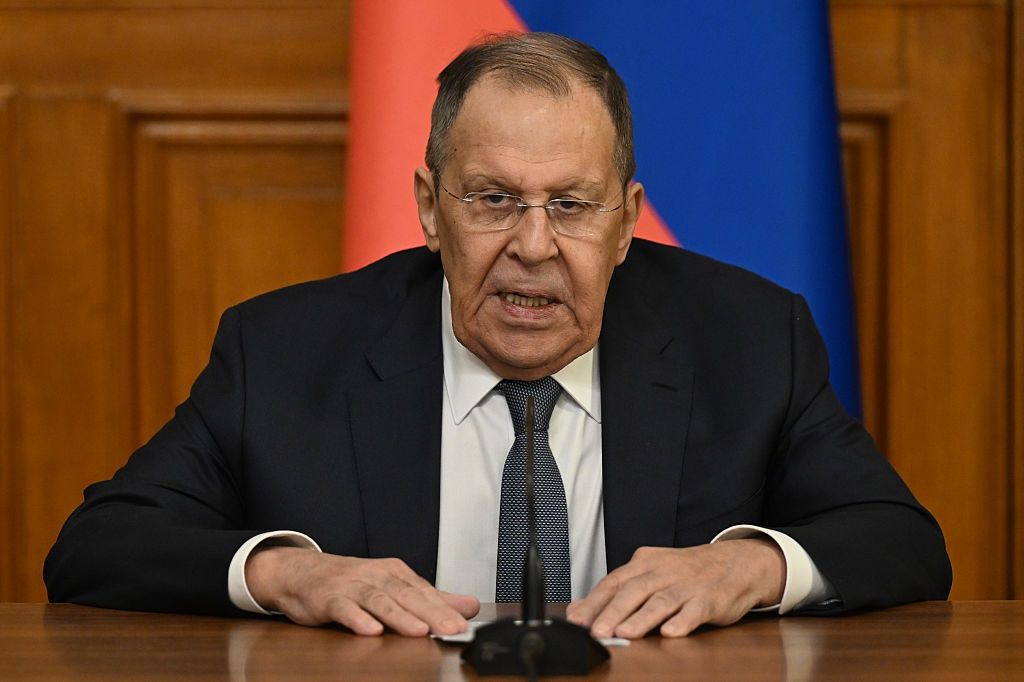
Russian Foreign Minister Sergei Lavrov said on Friday that inviting Poland to the G20 foreign ministers' meeting was unproductive and departed from the diplomatic habit of building consensus at such gatherings. Speaking on the sidelines of the meeting in Atlanta, United States, Lavrov said Poland contributes nothing to the talks, according to Money.pl.
Lavrov framed the invitation as a procedural breach. He said the principle of consensus governs both the agenda and the admission of new participants in bodies such as the G20, and that Poland's presence ran against it. Money.pl reports that he made the remarks to Russian media.
Why it matters
The exchange puts a spotlight on how the G20's membership and guest list are decided at a moment when the group's chair is using invitations as a diplomatic tool. Poland is attending this year's G20 proceedings as a full participant on a special invitation from the United States, which holds the presidency of the group in 2026. That arrangement is unusual enough that Moscow has chosen to contest it publicly, and Warsaw has answered in kind.
The dispute also previews a longer argument. Poland's foreign minister, Radosław Sikorski, said in Atlanta that the United Kingdom has invited Poland to take part in next year's G20 work. He added that Warsaw is lobbying the incoming Korean and Mexican presidencies to extend similar invitations, and that he does not expect Russia to welcome the idea. Lavrov's comments suggest that expectation is well founded.
Lavrov questions Poland's standing
Beyond procedure, Lavrov argued that Poland does not belong at the table on economic grounds, saying its economy is not large enough to justify participation. He also said the G20 already includes a sufficient number of representatives from NATO and the European Union.
According to Money.pl, Lavrov maintained that no pressure was applied to Russia to secure Poland's invitation. He described the sequence simply: the Americans invited the Polish foreign minister, and Sikorski took the seat set aside for him.
Sikorski's own account, as reported from Atlanta, was that Poland's path into the group has been difficult but that the country holds strong cards. He did not elaborate on the substance of those arguments in the remarks reported by Money.pl.
A meeting already under strain
The foreign ministers' meeting opened on Friday and is scheduled to close on Saturday, with the Polish and Russian ministers both present in the same venue. Lavrov's travel to Atlanta was itself notable: the Gazeta daily reported that his journey to the G20 took nearly a full day because of routing through what it described as unfriendly countries.
The Polish side did not let the Russian minister's remarks pass without response. Onet reported that Poland's top diplomat addressed Lavrov directly, with a message that enough had already been said — a signal that Warsaw intends to defend its seat rather than treat the criticism as routine.
For now, the practical question is whether the dispute stays confined to press remarks or spills into the formal work of the meeting. The G20 operates by consensus, which means any member can slow or block agreement, and Lavrov has now publicly framed Poland's participation as illegitimate under that very rule. Whether Russia translates that argument into obstruction during Saturday's sessions is the thing to watch.
Poland, meanwhile, is looking past Atlanta. Its campaign for invitations from the Korean and Mexican presidencies will test whether the special arrangement with Washington becomes a precedent or remains a one-off.